
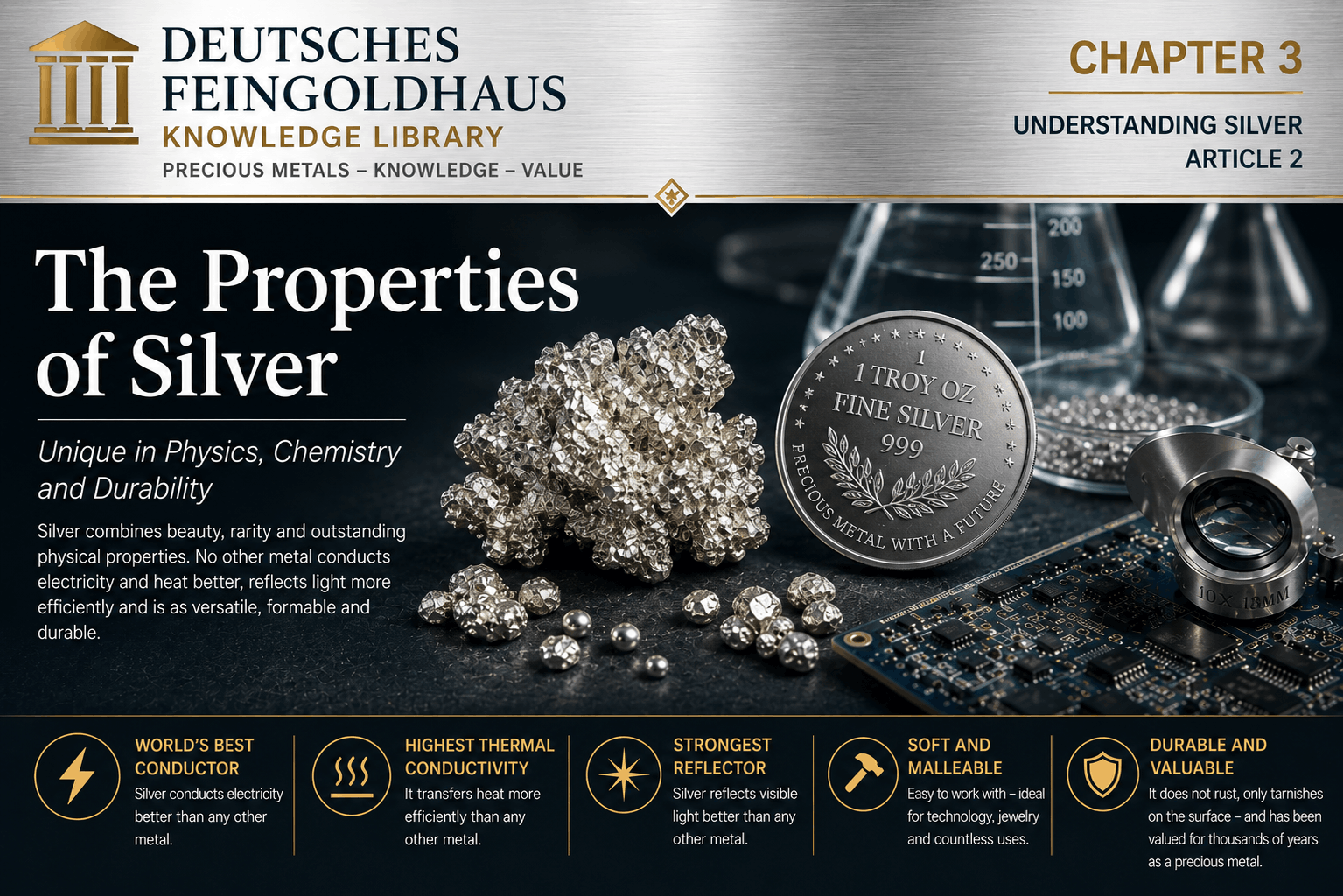
Silver is one of the most fascinating metals on Earth. It has been valued as a precious metal for thousands of years and possesses properties that are almost unmatched in nature. No other metal conducts electricity and heat more efficiently or reflects light as effectively. As a result, silver is indispensable in modern technologies—from solar panels and smartphones to advanced medical equipment. Its exceptional physical properties explain why silver is far more than just jewelry or an investment metal.
Read More...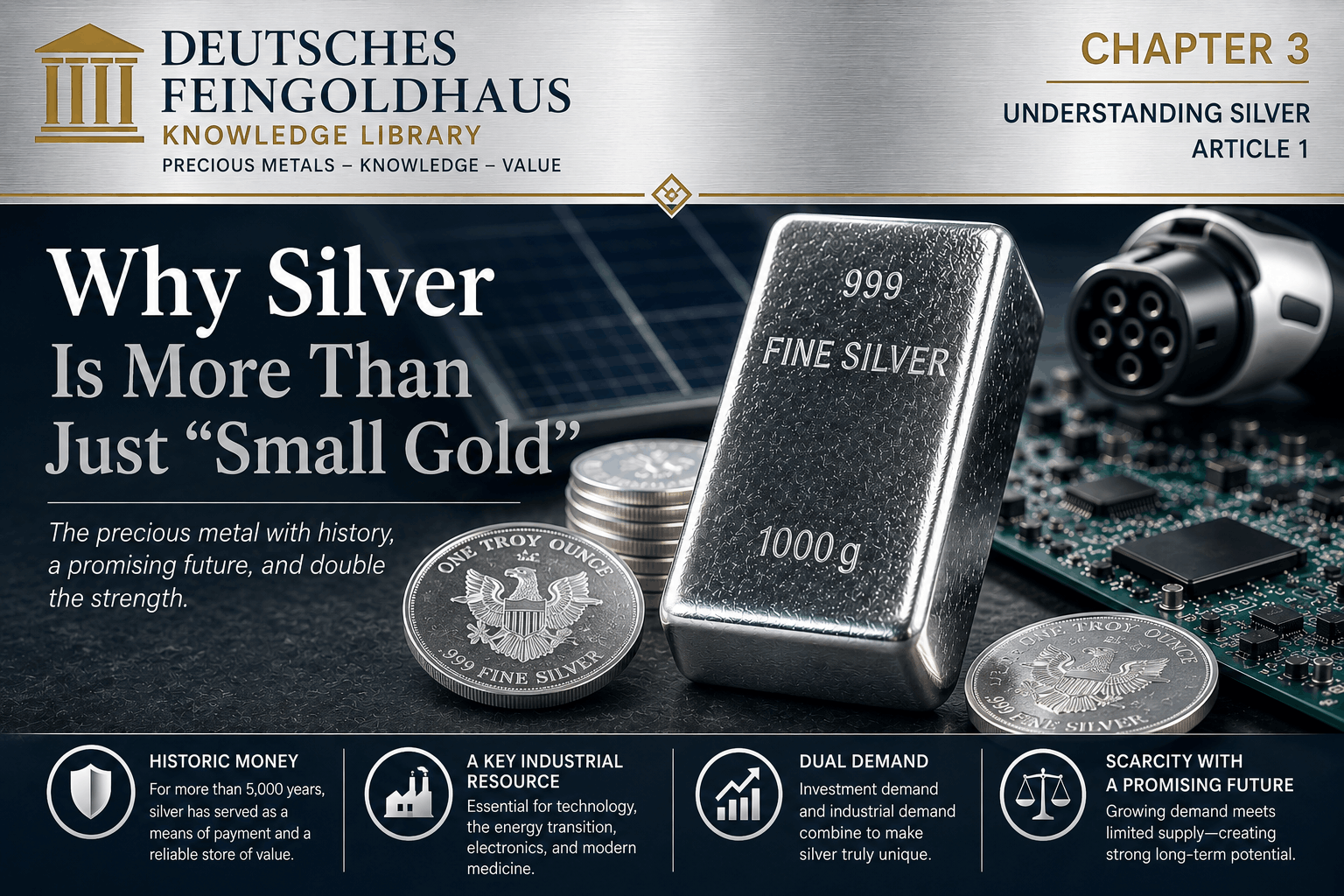
When people think of precious metals, gold is usually the first that comes to mind. Silver, on the other hand, is often viewed merely as gold’s “little brother.” In reality, silver has an equally remarkable history as a monetary metal while also playing a crucial role in modern industry. This dual role makes silver a distinct asset class and one of the most fascinating precious metals of our time.

In early February 2026, a major international ministerial meeting on critical raw materials took place in Washington, D.C., to which the U.S. had invited delegations from more than 50 countries. The aim of the talks was to reduce China's strong position in the global raw materials sector and to jointly build more resilient supply chains for minerals such as lithium, nickel, and rare earth elements , which are essential for modern technologies, electric vehicles, electronics, and the defense industry.
Read More...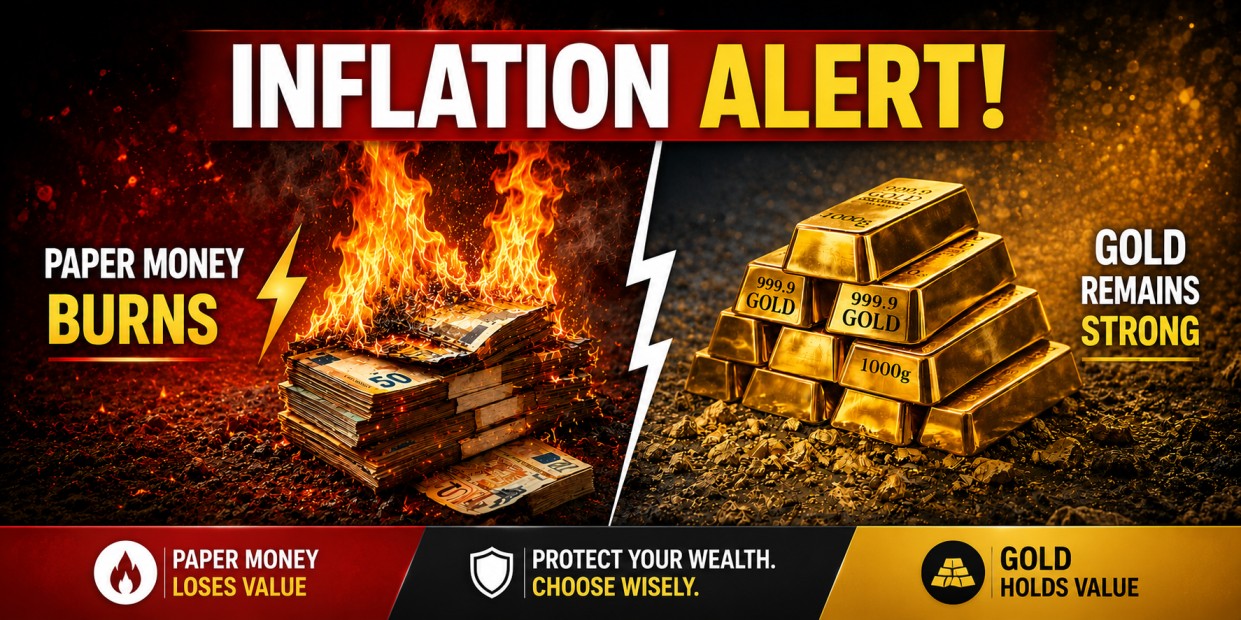
Inflation is not an abstract economic concept—it is a very real threat to the purchasing power of money. As prices rise, every dollar or euro gradually loses value. What you can buy for 100 today may cost significantly more in just a few years. For savers and investors, this means that money left unprotected or sitting idle slowly loses its worth.
Read More...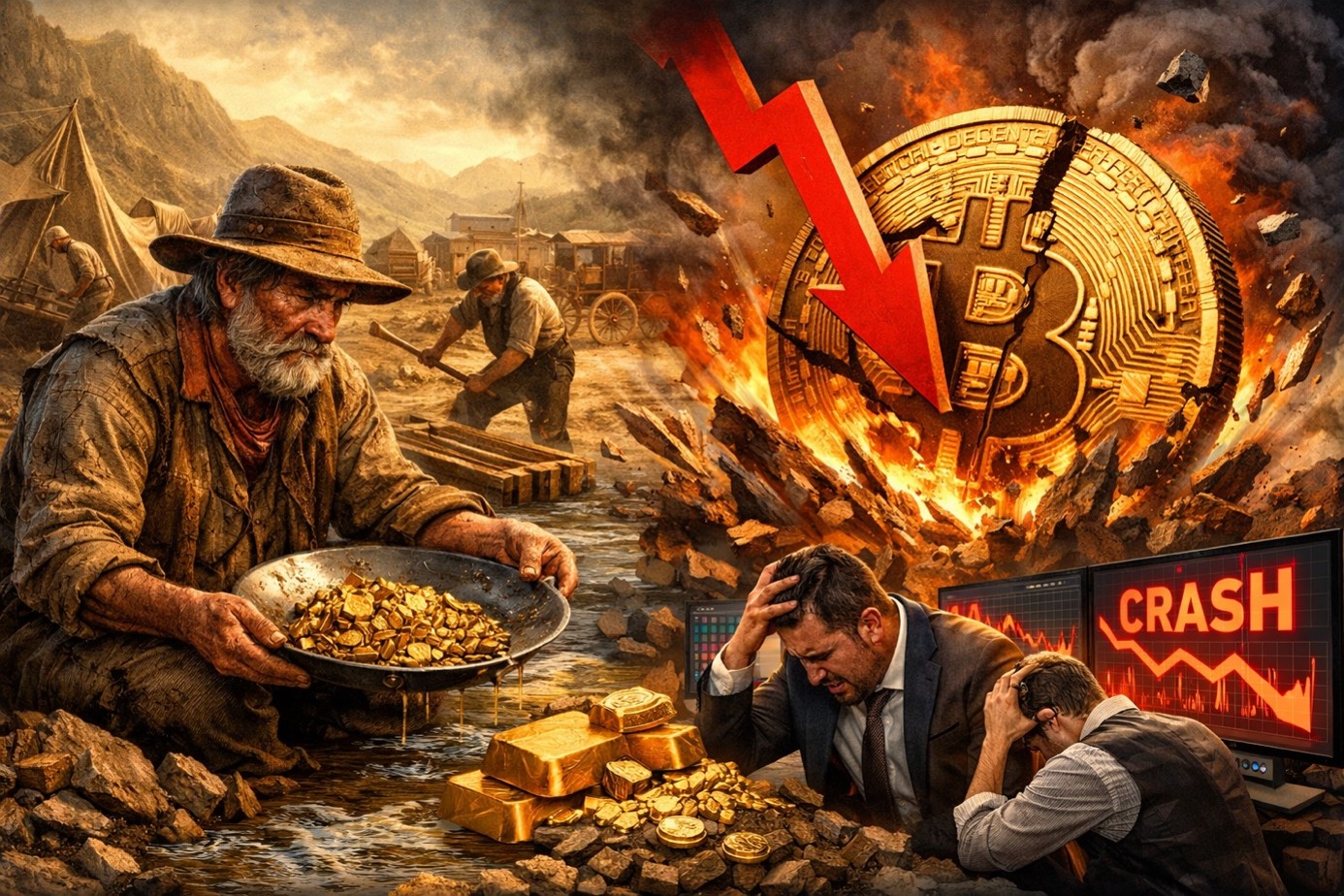
It is an image that has reappeared time and again in recent years: on one side, euphoric headlines about new all-time highs for Bitcoin; on the other, panicked news of massive price crashes, liquidations, and shattered hopes. Digital assets promise freedom, independence, and high returns. Yet, these very promises are put to a harsh test during market crashes. Whenever prices collapse, a familiar pattern emerges: trust in the digital crumbles—and focus shifts back to something very real. To gold.
Read More...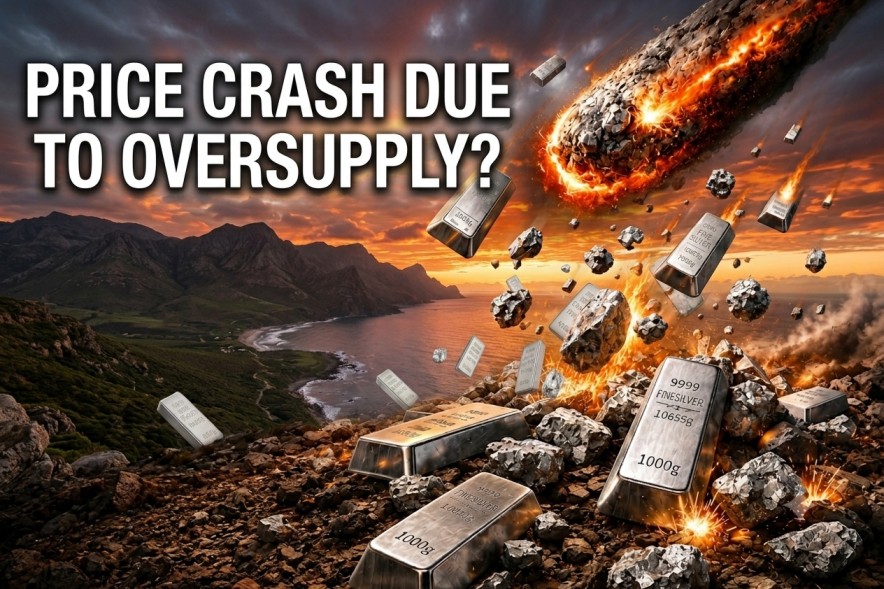
January 30, 2026, will be remembered by many market participants as an extraordinary trading day. Within just a few hours, silver lost a significant portion of its previously accumulated price gains. Following an extremely dynamic upward movement in the preceding weeks, there was an abrupt shift in sentiment—resulting in massive price drops on the futures exchanges and noticeable shockwaves throughout the entire precious metals sector.
Read More...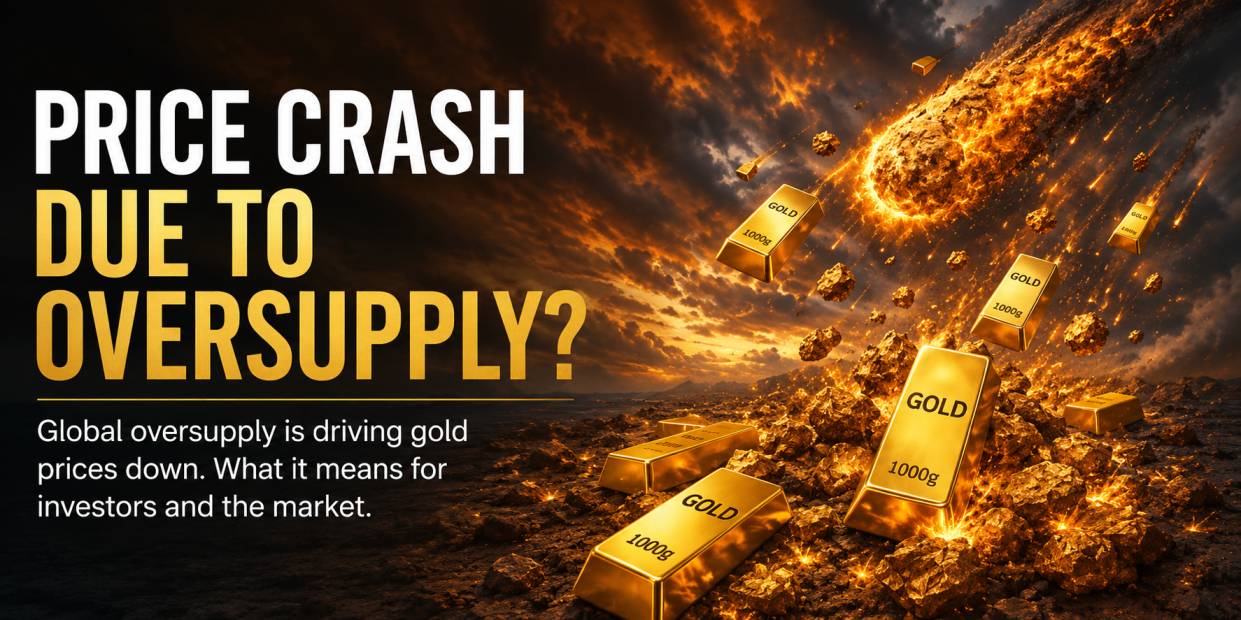
The gold market also experienced an abrupt and, for many, surprising correction around January 30, 2026. After a strong upward trend, the price came under significant pressure within a short period. Social media and some headlines suggested that a dramatic event must have triggered this decline. However, a more objective view reveals that no gold comet fell from the sky. Nor were there any reports of newly discovered mega-depositories, large-scale government gold sales, or a sudden flood of physical gold inundating the market. The price drop was not a physical shock, but rather the result of market dynamics, expectations, and positioning.
Read More...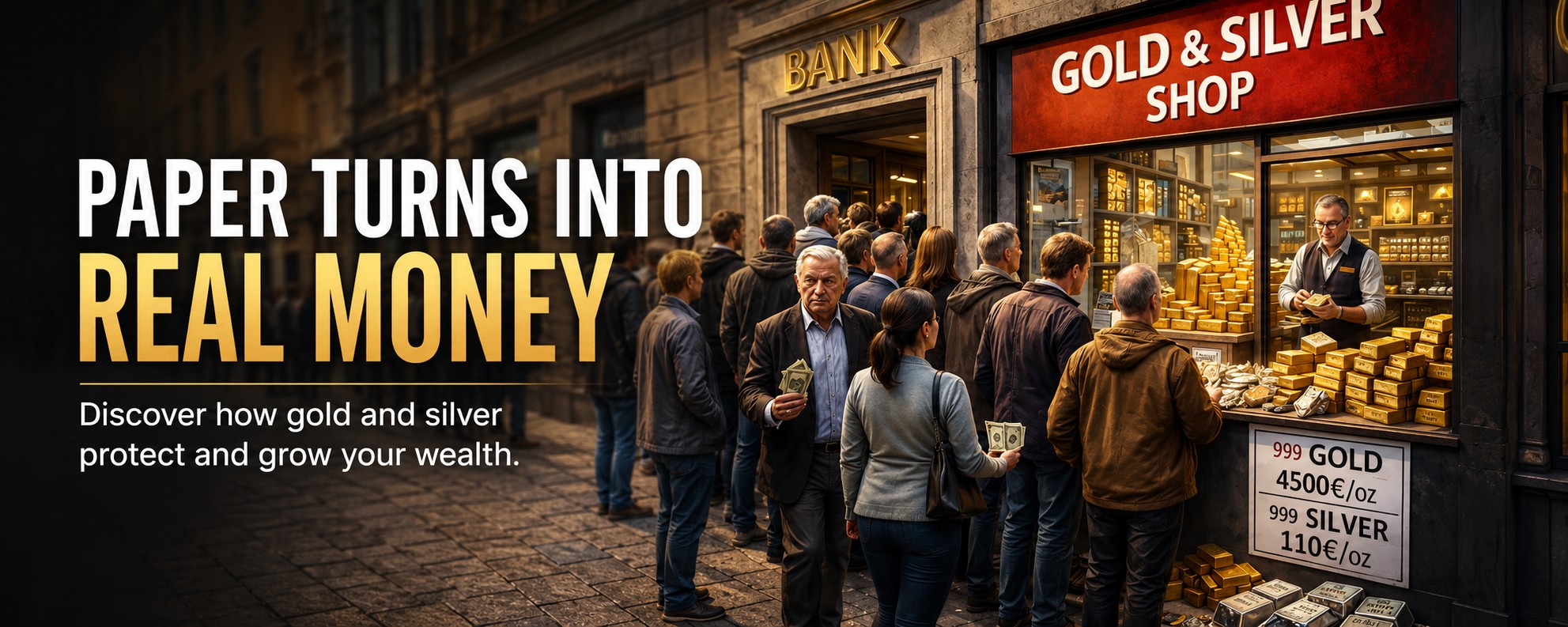
Gold has been experiencing a quiet comeback for some time now. Not as a short-term hype, but as a conscious return to an asset that exists independently of monetary policy, national debt, and political power struggles. What's striking is that both central banks and private investors are shifting capital from currencies into gold. This movement reflects a deeper need for stability in an increasingly uncertain financial world.
Read More...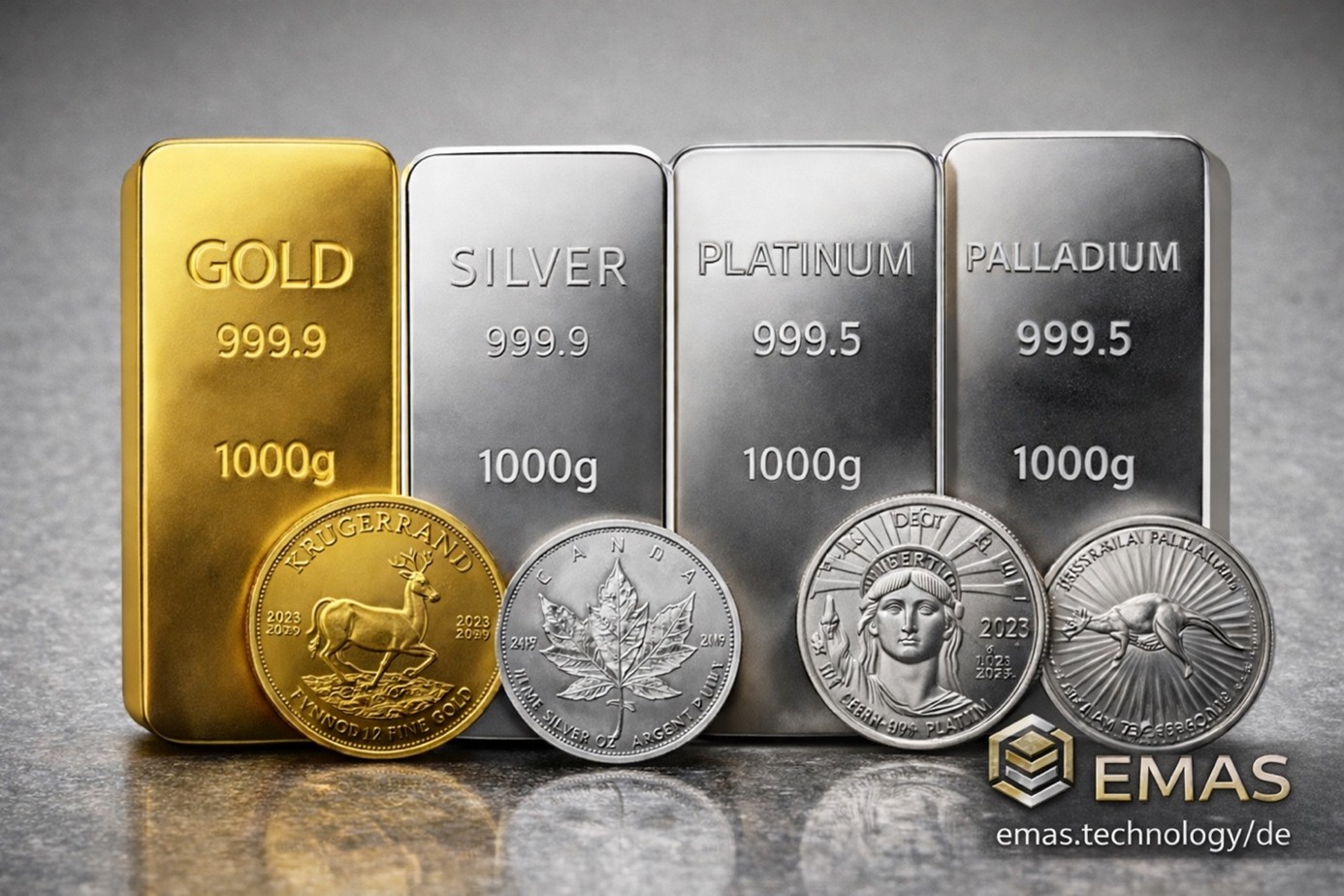
Gold, Silver, Platin and Palladium are among the most important precious metals for investors. Although they play different roles in the market, what unites them as investment classes is a common core: they are scarce assets , globally tradable and have a long tradition as stores of value relative to strategic commodities. Especially in the phase of economic uncertainty, increased inflation or geopolitical tensions, precious metals have come into focus, because they bring properties that classical money values lack.
Read More...
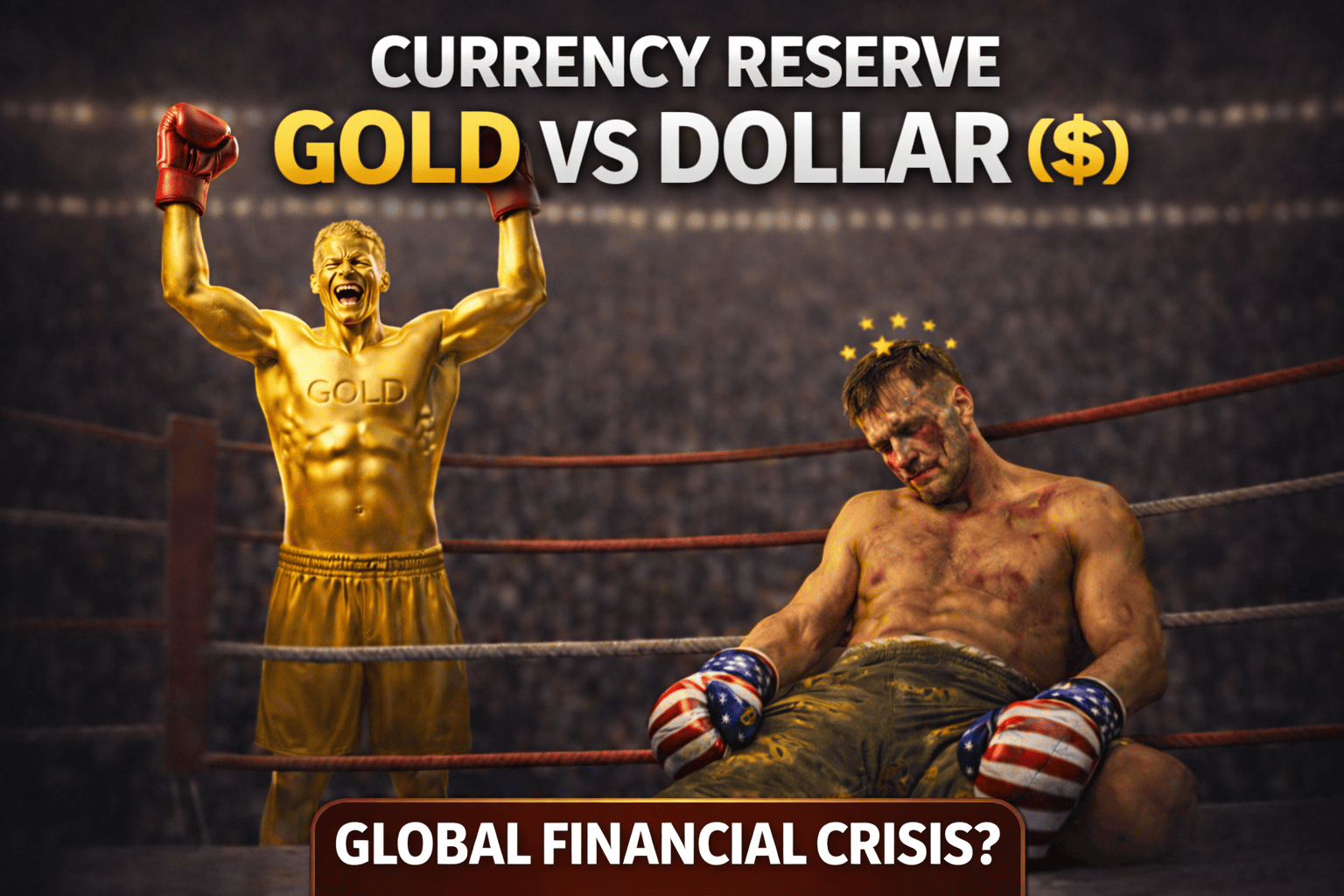
For decades, the US dollar was the undisputed leading currency of the world. Central banks held the majority of their currency reserves in dollars, international commodities were traded in dollars, and the greenback acted as the central lubricant of global trade. But this picture is beginning to change. Gold has now overtaken the US dollar as the most important reserve component in the global currency reserves of many countries. This development is more than just a statistical shift—it could signal a structural change in the global financial system.
Read More...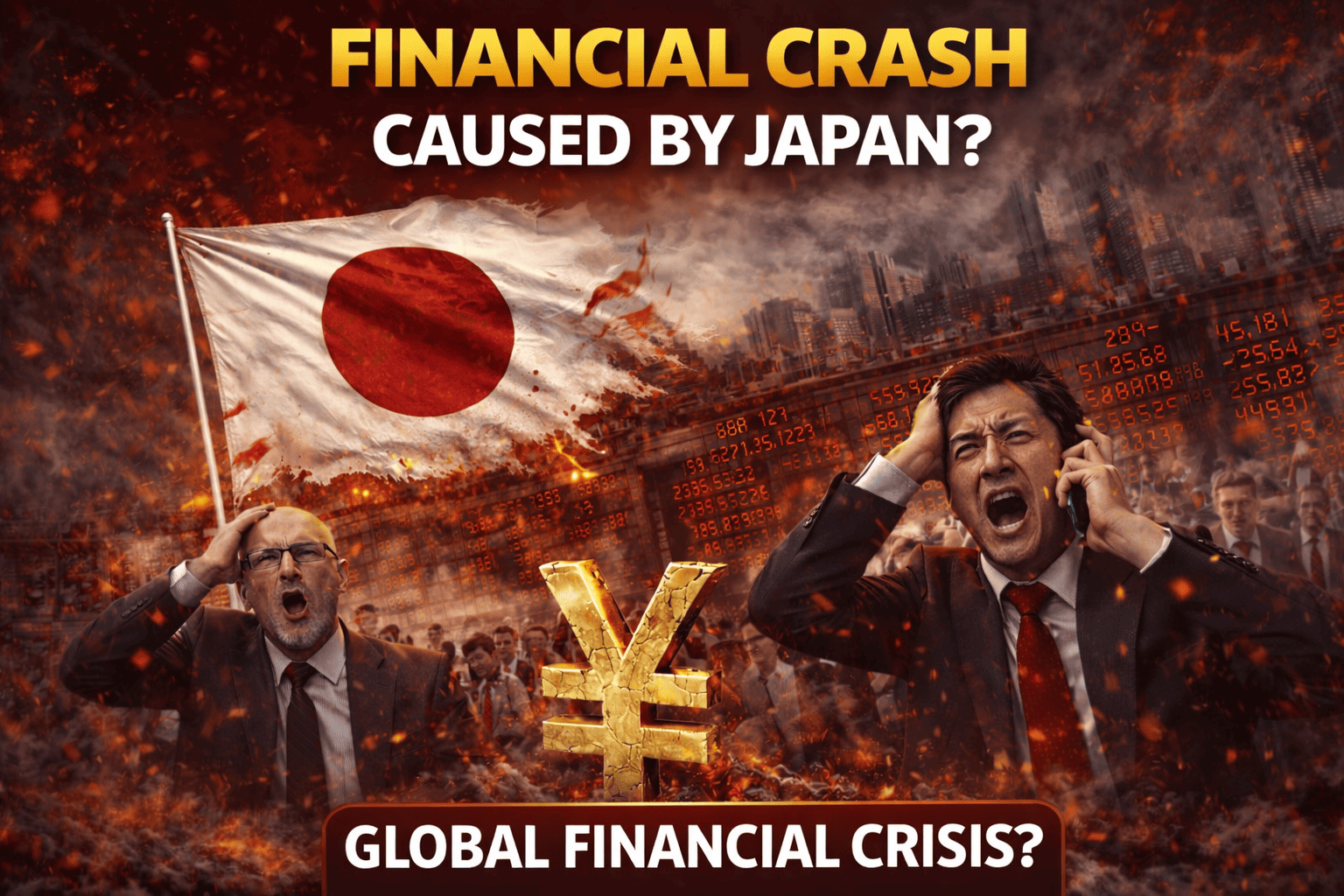
When risks to the global economy are discussed, the focus is usually on the USA, China, or the Eurozone. However, one country is often underestimated: Japan . The world's third-largest economy plays a central role in the global financial system – and this could be a dangerous trigger for future market turbulence.
Read More...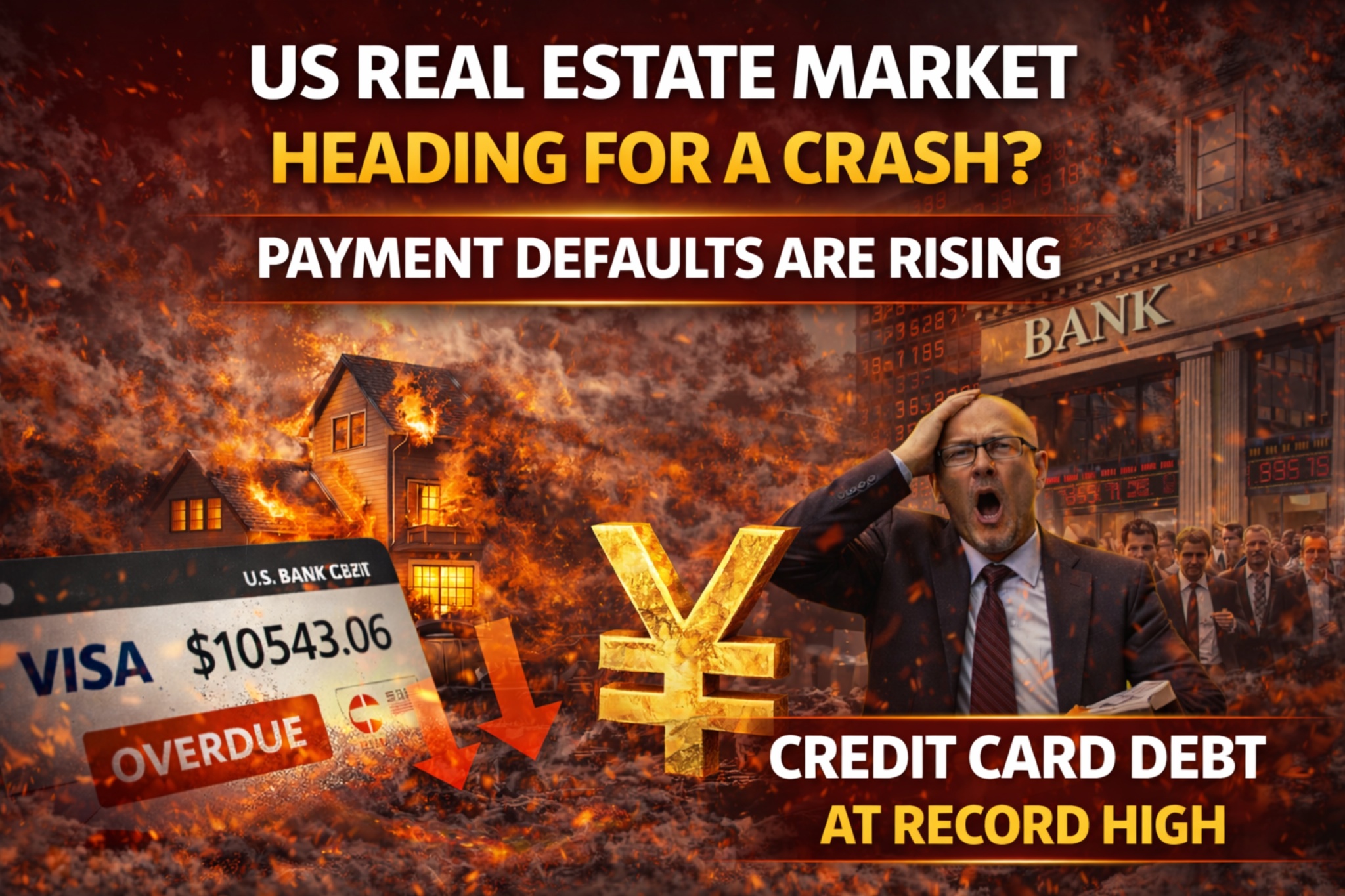
The US housing market is under renewed pressure. Rising interest rates, high living costs, and stagnant real wages are pushing more and more households into financial distress. At the same time, credit card debt in the US is reaching new record highs. This combination is explosive – not only for private households, but also for banks and the entire financial system.
Read More...Sign up today and you will be contacted by one of our experts.

Deutsches Feingoldhaus is your trusted destination for buying and selling gold bars, gold coins, silver, platinum, and palladium in Germany. We offer certified precious metals, transparent pricing, secure online ordering, and expert guidance to help you invest with confidence. Whether you're a first-time buyer or an experienced investor, we provide reliable service and quality products for long-term wealth protection.



 Login
Login Register